Loring Park Shooting Today: Police Investigate Fatal Gun Violence in Downtown Minneapolis Minnesota
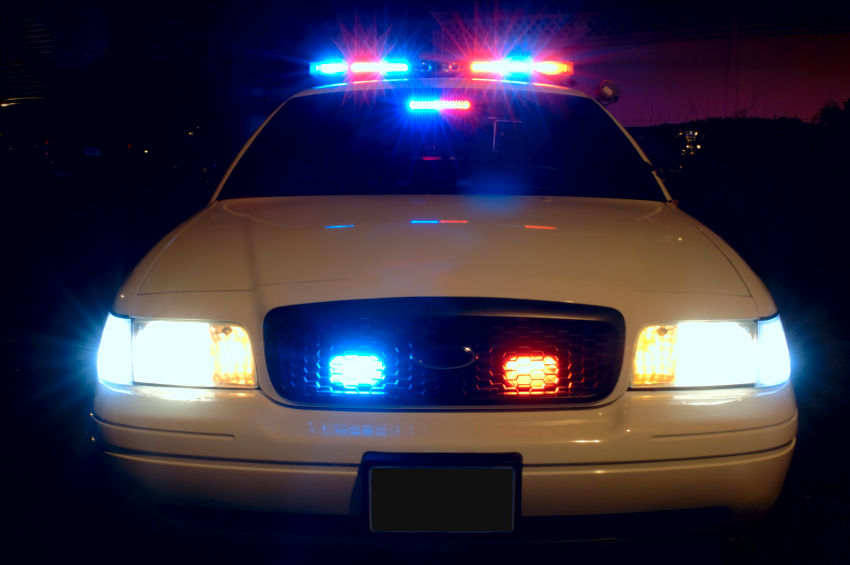
On Tuesday, local law enforcement agencies rushed to the scene of a critical incident following reports of a loring park shooting in Minneapolis, Minnesota. Emergency dispatchers received multiple urgent calls indicating that gunfire had erupted near the popular park grounds, a prominent downtown residential and recreational hub. First responders from the Minneapolis Police Department and Hennepin County emergency medical teams arrived rapidly to secure the area, establish a protective perimeter, and evaluate the status of those at the scene.
According to preliminary radio transmissions and initial law enforcement statements, the incident took place during the late evening hours, drawing a substantial police presence to the blocks surrounding Loring Park. Officers immediately cordoned off several key intersections to allow medical personnel safe access and to preserve critical physical evidence. The rapid mobilization reflects ongoing efforts by municipal authorities to address violent crime reports swiftly within downtown neighborhoods.
As of today, homicide investigators and forensic teams are actively processing the site, gathering physical evidence, and conducting preliminary interviews with witnesses who were near the park when the shots were fired. The investigation remains highly fluid, and officials have urged members of the public to avoid the immediate vicinity while tactical units and investigators complete their primary on-scene assessments.
Emergency Response and Immediate Scene Security
Upon arriving at the scene near Loring Park, officers from the Minneapolis Police Department’s First Precinct immediately began tactical sweeps to identify any potential threats and locate individuals in need of urgent medical assistance. Paramedics from Hennepin County Medical Services were dispatched in tandem with patrol units, establishing a triage zone close to the perimeter. Due to the density of the residential buildings and public walkways surrounding the park, officers prioritized securing the immediate open spaces and adjacent alleyways where the incident occurred.
The geographic layout of the Loring Park neighborhood, known for its historic apartment complexes, high-density housing, and extensive pedestrian paths, presents unique operational challenges for emergency services during an active incident. Law enforcement officials established command posts along Nicollet Avenue and LaSalle Avenue, redirecting local traffic and advising residents to remain indoors while the initial sweep was completed. Responding units utilized high-intensity portable lighting to illuminate the park paths, ensuring that no evidence was overlooked in the dark.
Metropolitan Police Department Deployment and Perimeter Setup
The Minneapolis Police Department deployed dozens of personnel to manage the perimeter, which stretched across multiple blocks surrounding the northern and eastern edges of Loring Park. The containment zone was designed to facilitate a thorough search of the area while preventing unauthorized individuals from compromising the integrity of the scene. Officers stationed at key intersections redirected metropolitan transit buses and passenger vehicles away from the active investigation zone, causing minor traffic delays during the late-night hours.
According to department spokespersons, the rapid deployment of the mobile command unit allowed supervisors to coordinate efforts between patrol officers, canine units, and tactical investigators on the ground. The systematic search of the park’s grounds involved checking public shelters, garden pathways, and nearby parking facilities to ensure that no additional hazards remained. Law enforcement officials emphasized that establishing a broad perimeter is standard operating procedure for violent crime investigations in high-density urban areas.
Forensic Investigation and Witness Testimonies
As the initial response stabilized, forensic specialists from the crime lab arrived to document the scene and collect physical evidence. Investigators meticulously mapped out ballistics evidence, marking casing locations and analyzing trajectory angles to reconstruct the sequence of events. The collection of physical evidence is critical in establishing the timeline of the incident and identifying the types of firearms involved. Forensic technicians spent several hours photographing the area, utilizing advanced digital scanning technology to preserve a three-dimensional record of the crime scene.
Simultaneously, detectives began canvassing nearby residential buildings, businesses, and apartment lobbies to locate eyewitnesses and retrieve security camera footage. Investigators are particularly interested in exterior surveillance feeds from properties facing the park, which may have captured the moments leading up to and immediately following the gunfire. Local residents who were walking pets or returning home at the time of the incident have been interviewed, providing valuable descriptions of vehicles and individuals observed departing the area at high speeds.
Community Safety Concerns and Local Security Patrols
The occurrence of the loring park shooting has renewed discussions among community members, business owners, and neighborhood association representatives regarding public safety in the downtown area. Loring Park is a vital community asset, hosting numerous cultural festivals, farmers’ markets, and daily recreational activities for thousands of Minneapolis residents. In response to recent safety concerns, community leaders have called for increased visible police patrols and enhanced infrastructure, such as improved public lighting along pedestrian paths and the installation of additional municipal security cameras.
- Increased Visibility: Neighborhood patrols are scheduled to double during late-evening hours to reassure local residents.
- Camera Integration: Local businesses are linking private security feeds directly to metropolitan monitoring centers.
- Lighting Upgrades: City crews are replacing burned-out street lamps along major pedestrian thoroughfares near the park.
Local neighborhood groups, including the Loring Park Neighborhood Association, have actively engaged with city officials to advocate for comprehensive safety strategies that combine law enforcement presence with community-based intervention programs. Neighborhood watch volunteers and local business security personnel have pledged to coordinate closely with the Minneapolis Police Department to report suspicious activities and foster a safer environment for residents and visitors alike.
Investigative Protocols and Public Information Updates
The Minneapolis Police Department has confirmed that the investigation into the shooting is being led by the department’s Homicide Division, with support from specialized federal and state law enforcement partners. Investigators are analyzing regional database records to determine if the incident is connected to other recent firearms offenses in the metropolitan area. Officials have emphasized that maintaining the integrity of the ongoing investigation is paramount, and further details regarding potential suspects or specific evidence will be released as they are verified.
Authorities are urging anyone with information, mobile phone footage, or home security recordings related to the incident to contact the Minneapolis Police Department’s tip line or submit anonymous tips through CrimeStoppers. Public cooperation is often instrumental in resolving complex investigations, and investigators are reviewing all submitted tips systematically. Regular updates are expected to be provided during scheduled department briefings as new, verified facts emerge from the ongoing forensic and tactical investigations.