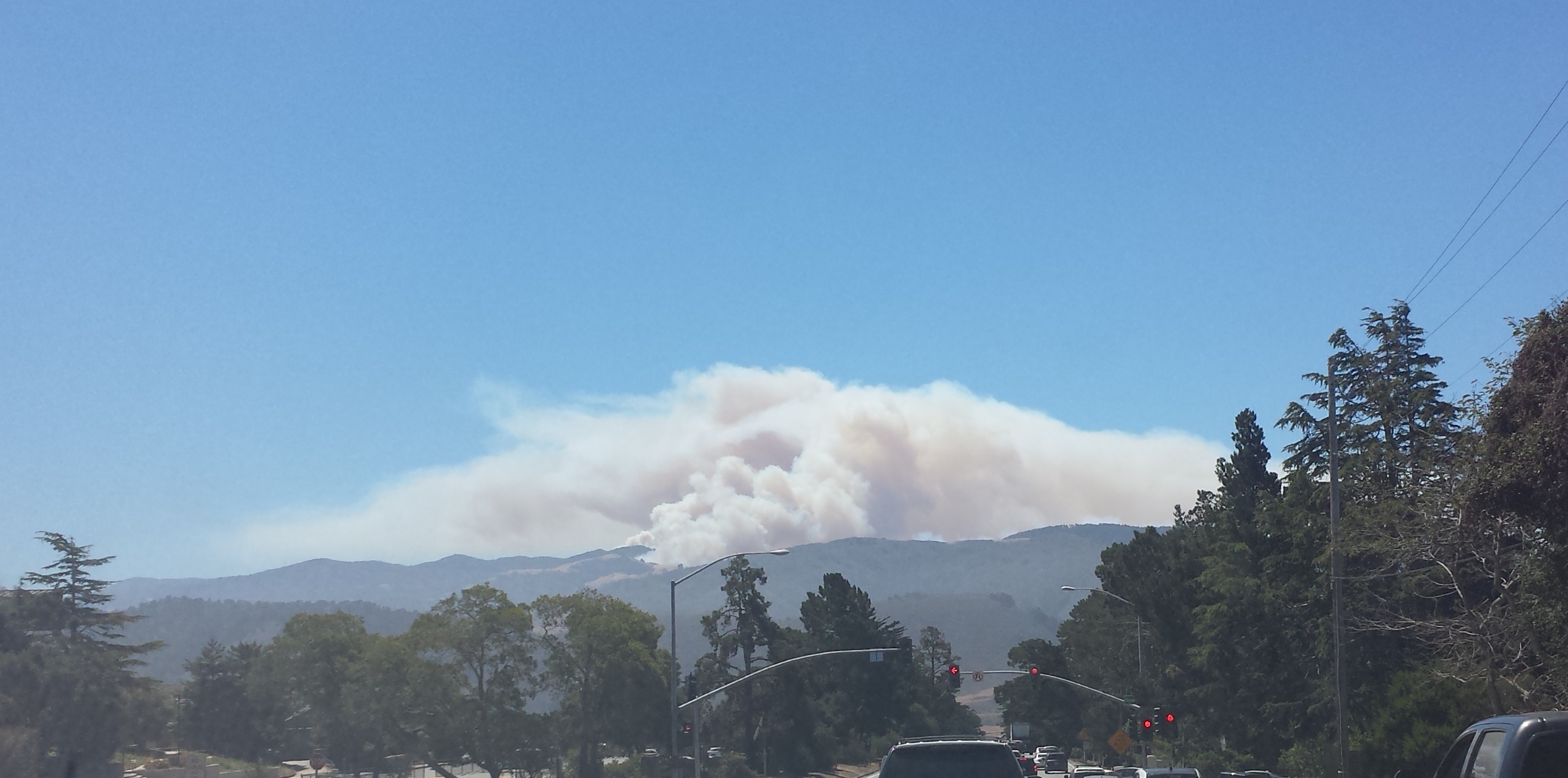
Chelan Hills Fire Today: Local Emergency Crews Work To Contain Blaze Near Residential Areas
Emergency responders and local fire management agencies were dispatched earlier today to the Chelan Hills area following reports of an active and growing wildfire. The situation remains fluid as regional fire departments coordinate efforts to establish containment lines and prevent the spread of the flames toward populated neighborhoods. Authorities have prioritized the safety of residents and are monitoring meteorological conditions that could impact the trajectory of the smoke and embers.
The Chelan Hills fire has prompted an immediate multi-agency response, bringing in resources from surrounding districts to support local fire suppression efforts. While the exact point of ignition is currently under investigation by specialized fire marshal units, the focus remains firmly on tactical mitigation. First responders are utilizing both ground-based crews and aerial assets to suppress hot spots in difficult terrain, ensuring that critical infrastructure remains protected from potential damage.
Tactical Response and Operational Deployment
Dispatch records indicate that initial calls regarding the smoke were received shortly after the morning hours. Within minutes, multiple units from the Chelan County Fire District were on the scene to assess the scope of the incident. Command structures have been established to streamline communication between police, medical services, and wildfire management teams. The use of heavy equipment and specialized brush trucks has been essential in maneuvering through the uneven landscape surrounding the hillsides.
- Deployment of regional fire engines to reinforce the perimeter.
- Use of aerial water drops to cool down active burning sectors.
- Coordinated efforts between law enforcement and emergency management for public safety.
- Strategic placement of fire breaks to slow advancement toward local structures.
Geographic Impact and Perimeter Security
The geography of the region presents unique challenges for the suppression teams currently working on the ground. Steep slopes and dry vegetation are contributing factors that fire behavior analysts are watching closely. The perimeter of the incident has been defined by local law enforcement, who have established traffic control points to ensure that emergency vehicles can access the zone without obstruction. Residents near the perimeter are being asked to remain alert and follow instructions from emergency personnel who may be performing door-to-door welfare checks in areas identified as higher risk.
Meteorological Factors Influencing Fire Behavior
Weather conditions throughout the afternoon have played a significant role in how the blaze has evolved. Wind speeds and humidity levels are being tracked in real-time by the National Weather Service, with data shared directly to incident commanders. Stronger winds have the potential to carry burning debris into new, unburnt patches of vegetation, requiring constant monitoring of the fire line. Officials noted that while the current humidity levels are slightly aiding in the suppression efforts, the overall dryness of the landscape necessitates extreme caution for all individuals in the vicinity.
Official Coordination and Public Safety Updates
State-level emergency management agencies are currently maintaining oversight of the situation to ensure that all required resources are being allocated efficiently. A temporary command center has been set up to facilitate briefings and allow for rapid decision-making regarding the deployment of additional personnel. Public information officers are expected to release periodic updates as new data regarding containment progress becomes available. Citizens are strongly encouraged to monitor official social media channels and local news outlets for the latest information regarding road closures or potential voluntary evacuation zones.
Long-term Environmental and Infrastructure Assessment
As crews work toward full containment, preliminary discussions regarding the environmental impact of the incident have begun. Once the immediate threat is fully neutralized, agricultural and forestry specialists will conduct a thorough review of the affected acreage to determine the damage to the local ecosystem. Furthermore, municipal infrastructure engineers will inspect any power lines or communication equipment that may have been subjected to high temperatures or smoke exposure. This comprehensive review process ensures that any necessary repairs or environmental rehabilitation efforts can be prioritized quickly to restore the region to a state of normalcy for the community.