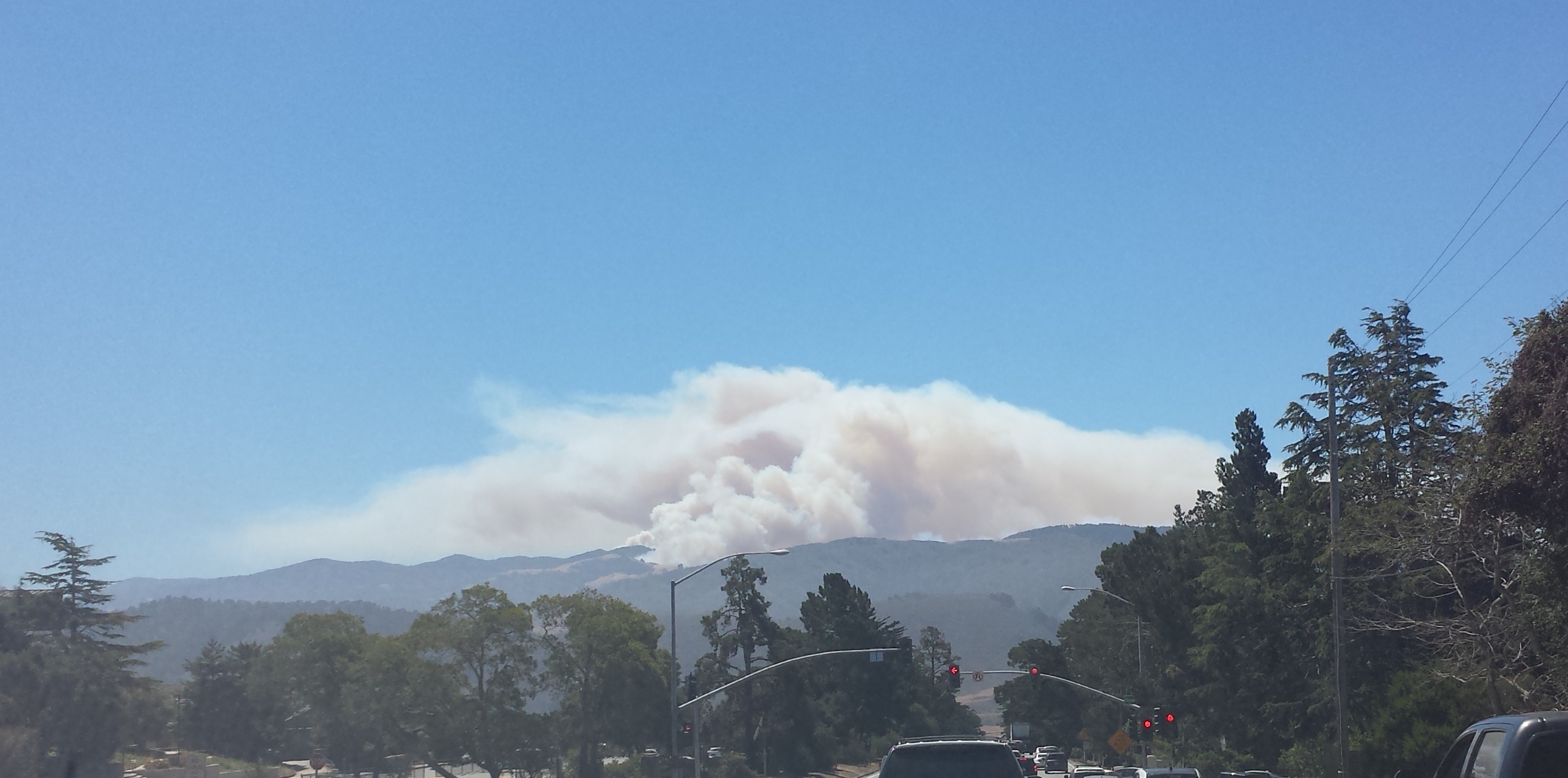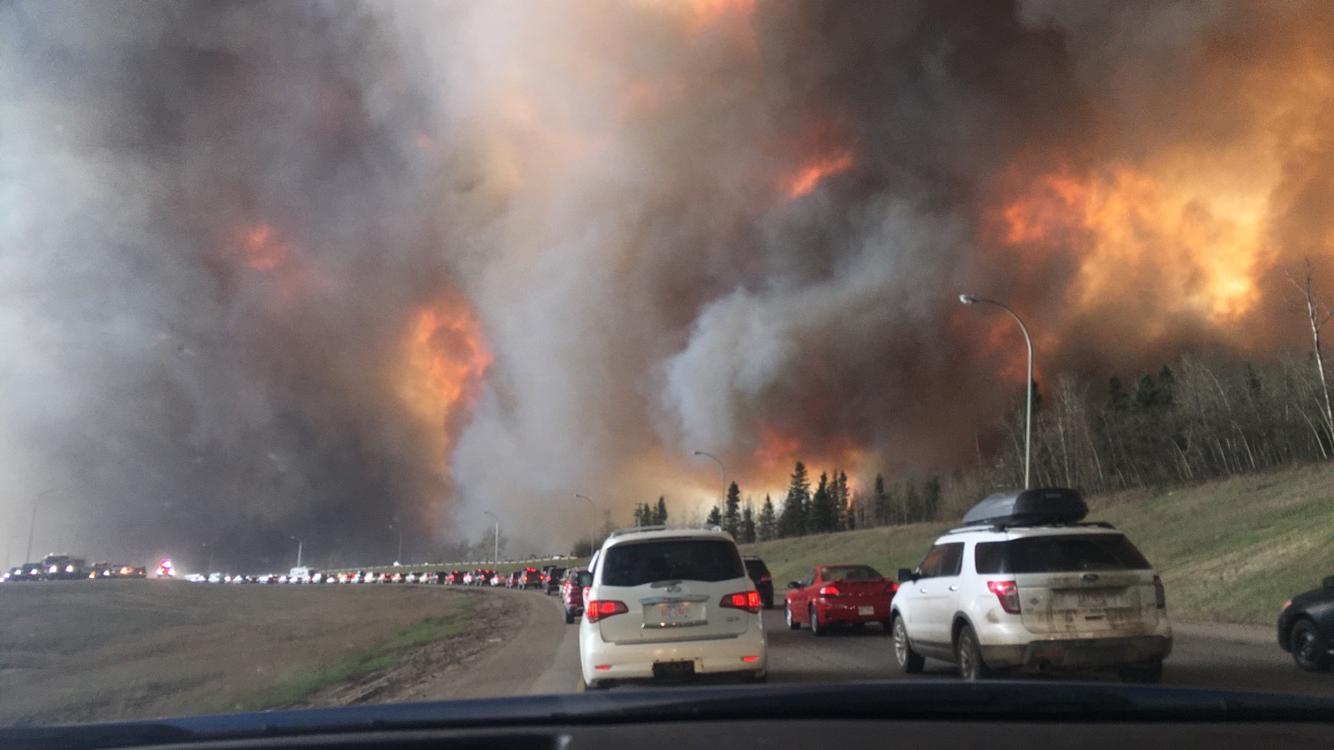
Grasshopper fire in California today: authorities battle massive blaze as evacuations impact local residents
Emergency response crews and wildfire mitigation teams remain active in Northern California today as they battle the growing Grasshopper fire. The blaze, which was first reported earlier this week, has prompted urgent action from local and state agencies as they work to establish containment lines amid challenging environmental conditions. Fire officials are closely monitoring the situation as shifting winds continue to complicate suppression strategies in the mountainous terrain.
The incident began during a period of high heat, and initial reports from the scene suggest that the fire spread rapidly due to dry vegetation and difficult access points. Coordination between multiple fire districts and aerial support units has been continuous, with ground crews working around the clock to prevent further encroachment into residential areas. Authorities are currently focusing their resources on protecting critical infrastructure and minimizing the impact on nearby communities.
Current Status of the Grasshopper fire Emergency Response
As of this afternoon, the situation remains fluid. Incident command teams have established a base of operations to manage the logistical challenges of this wildfire event. The primary focus for frontline responders is the containment of the perimeter, specifically where the fire lines are nearest to populated zones. Aerial water drops are being utilized to reach areas inaccessible to heavy machinery, providing a vital supplement to the efforts of ground-based firefighters.
- Containment efforts are currently ongoing with high-priority status assigned to the western flank.
- Aerial assets including fixed-wing aircraft and helicopters have been deployed to support ground suppression.
- Incident commanders are tracking fuel moisture levels and wind gusts to predict potential fire behavior.
- Utility companies have been notified to conduct safety inspections of power lines in the affected corridor.
Evacuation Orders and Public Safety Protocols
Safety officials have issued mandatory evacuation orders for residents living in immediate proximity to the Grasshopper fire. These directives are intended to allow emergency vehicles unimpeded access to the area and to ensure the safety of civilians. Law enforcement agencies have set up checkpoints to manage traffic flow and to secure evacuated neighborhoods from unauthorized access. Citizens are urged to monitor official channels for real-time updates regarding road closures and shelter locations.
For those displaced by the emergency, temporary assistance centers have been established at designated local facilities. These centers are providing information, water, and resources to affected individuals. Officials emphasize that residents should not attempt to return to their homes until a formal clearance is issued by the authorities on the ground.
Topography and Environmental Challenges
The geography surrounding the ignition point presents significant obstacles for fire suppression teams. Steep canyons and dense brush serve as natural fuels that allow the fire to transition from surface burning to crown fire activity. Meteorological data indicates that low humidity levels are expected to persist, which complicates the efforts of the crews stationed on the front lines. The incident management team is relying on precise topographical mapping to deploy resources effectively where they can have the maximum impact.
Agency Coordination and Resource Allocation
Multiple agencies are collaborating to ensure a unified response to the emergency. This includes integration between state forestry departments, local fire protection districts, and federal land management entities. By pooling resources, these agencies can maintain continuous operations throughout the night, shifting crews to prevent fatigue and ensuring that equipment is rotated for maintenance. Resource allocation is audited on an hourly basis to respond to new hot spots or sudden changes in fire behavior.
Long-term Monitoring and Investigation
While current efforts are directed at containment, forensic teams have already begun the preliminary stages of an investigation into the origin of the blaze. Once the immediate threat to life and property is neutralized, investigators will utilize satellite data, weather history, and physical evidence to determine the exact cause. This forensic analysis is standard procedure for all significant wildfire events in the region, serving both to identify potential points of failure in fire safety and to ensure accountability.
Residents can find further details about recovery efforts and official reports at the Department of Forestry and Fire Protection official website. Constant vigilance is advised as the region remains in an active period of heightened wildfire risk, and public cooperation with first responders is essential during this critical window of operations.