Lebanon Plane Crash Today: Search Operation Underway After Training Aircraft Falls Into Mediterranean Sea
Emergency marine units and aviation safety teams have mobilized off the Lebanese coastline following reports of a severe aviation incident near the coastal town of Halat. A light training aircraft carrying crew members plunged into the Mediterranean Sea shortly after takeoff, triggering an immediate multi-agency search and rescue operation. Search vessels and military helicopters were dispatched to the site following the loss of radar contact by air traffic control operators stationed at Beirut Rafic Hariri International Airport.
The incident, confirmed by aviation officials early this morning, occurred during a routine training flight within designated civilian flight corridors. Preliminary reports indicate that the aircraft lost altitude rapidly before descending into open waters approximately two nautical miles off the coast. Operational teams are working continuously in challenging offshore conditions to locate the main fuselage and render assistance to those on board.
As rescue operations proceed, public interest regarding the lebanon plane crash has prompted official updates from emergency service commanders and aviation oversight boards. Authorities have established a command center at the nearest maritime base to coordinate sonar scanning, dive team deployments, and coastal surveillance efforts.
Emergency Marine Search and Rescue Deployment
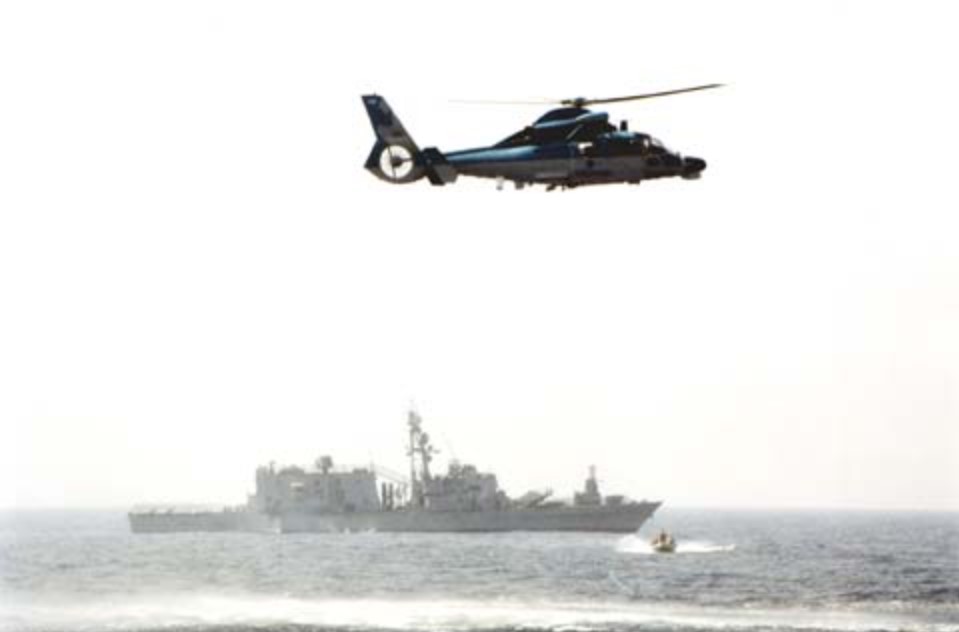
Following the automated alert from air navigation facilities, the Lebanese Navy Marine Rescue Center deployed multiple speedboats and specialized search vessels to the estimated point of impact. Civil Defense maritime units equipped with deep-water sonar technology joined the array of assets conducting search patterns across the sector. Aerial reconnaissance helicopters from the Lebanese Air Force were dispatched to execute low-altitude passes over the sea surface to identify debris or signaling equipment.
First responders faced localized sea swells and moderate wind conditions upon reaching the designated maritime grid. Command units established a structured grid search covering a five-square-nautical-mile radius surrounding the last known GPS coordinate, according to an operational brief from the marine safety division. Specialized divers remain on standby as bathymetric equipment scans the seabed to pinpoint submerged metallic structures.
Timeline of Events and Radar Trajectory
Air traffic logs provided by the Directorate General of Civil Aviation outline a precise chronology leading up to the loss of signal from the civilian aircraft:
- 10:15 a.m. Local Time: The training aircraft completes pre-flight inspections and receives takeoff clearance from the air traffic control tower.
- 10:28 a.m. Local Time: The flight reaches its designated cruising altitude over the northern coastal flight corridor near Halat.
- 10:37 a.m. Local Time: Radar transponder signals indicate an unexpected and sharp loss of altitude without prior emergency voice distress calls.
- 10:40 a.m. Local Time: Radar contact vanishes completely from monitoring screens, triggering the emergency alert state.
- 10:48 a.m. Local Time: The Air Navigation Centre alerts coastal maritime authorities and dispatches first responders to the coordinates.
Official Statements from Aviation and Transport Authorities
The Minister of Public Works and Transport arrived at the central operations hub to oversee coordination efforts between military and civilian response organizations. In a formal press briefing, officials confirmed that an immediate technical inquiry had been launched under international civil aviation safety frameworks. Ministry representatives reported during the morning conference that every available state asset is dedicated to locating the aircraft and establishing the precise cause of this sudden event.
Civil aviation authorities confirmed that flight records, maintenance logs, and meteorological bulletins from the time of departure have been secured for forensic review. Officials emphasized that no definitive conclusions regarding mechanical failure or operational factors will be drawn until physical wreckage can be recovered and analyzed by certified crash investigators.
Flight Details and Technical Specifications
The aircraft involved in the incident is reported to be a single-engine training plane operated by a licensed local aviation academy. Designed primarily for flight instruction and instrument navigation practice, the model is equipped with standard emergency locator transmitters intended to activate upon impact or immersion in water.
Maintenance personnel at the hangar facility confirmed the aircraft had passed all scheduled pre-flight technical verifications earlier in the day. Emergency teams are monitoring international distress frequencies to detect potential signals emitted by the aboard emergency beacon, which could assist in pinpointing the underwater wreckage site.
Investigative Protocol and Meteorological Conditions
Accident reconstruction experts are assessing atmospheric and marine conditions recorded during the time of the flight. Initial weather reports indicated clear visibility with light variable winds, ruling out immediate severe weather phenomena as a primary factor. Investigative focus remains centered on potential mechanical anomalies, fuel system integrity, or sudden control system failures.
Once the main structural components are retrieved from the sea floor, technical inspectors will transport the debris to a secured hangar facility at Beirut Rafic Hariri International Airport. Forensic engineers will analyze engine components, control surfaces, and fuel quality samples to reconstruct the flight profile preceding the final descent.
Impact on Regional Aviation and Ongoing Search Effort
Civilian aviation operations at major airfields continue without disruption, although local flight training schools have temporarily suspended routine flights pending preliminary safety advisories. Marine advisories have been issued to commercial and fishing vessels operating along the Halat coastal sector, advising mariners to keep clear of search grids and report any floating debris immediately to maritime control towers.
Search teams intend to continue operations through the evening using specialized night-vision equipment and side-scan sonar arrays. Further updates will be issued by the ministry as marine units gather additional data from the search perimeter.